
Tea and Qi: What Your Cup Is Really Doing for You
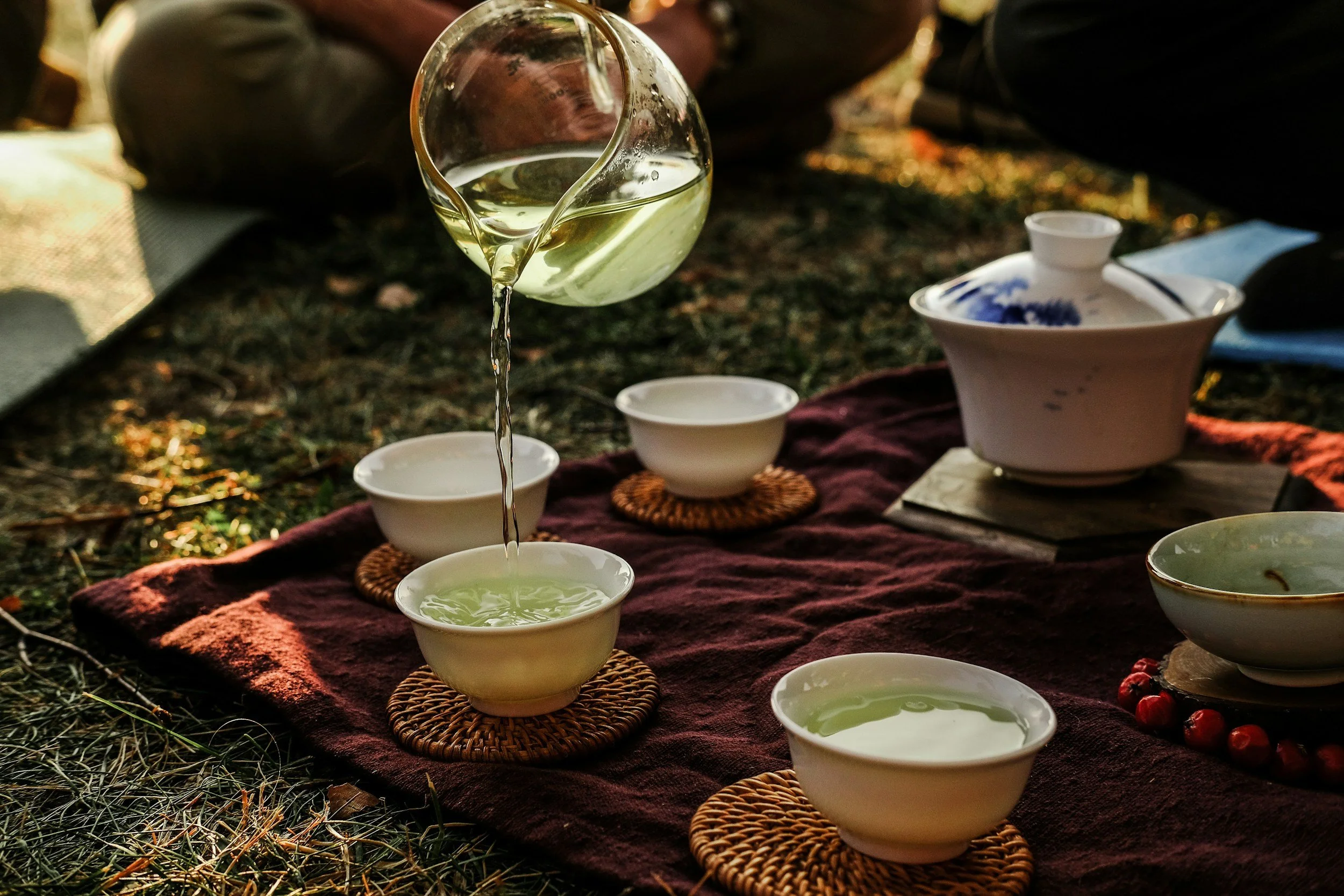
There's an old Chinese saying we love around here: "Better to be deprived of food for three days than tea for one."
We won't ask you to skip meals, but we do think it's worth looking a little closer at that cup you reach for every day.
In Chinese medicine, tea isn't just a drink. It's one of the gentlest herbal medicines there is, and it's been used that way for thousands of years.
The poet Li Yu wrote in The Art of Tea that tea
"tempers the spirit,
harmonizes the mind,
dispels lassitude and relieves fatigue,
awakens the thought and prevents drowsiness."
Not bad for some leaves and hot water.
A Little Tea History
Legend credits Shen Nong, the Divine Farmer and father of Chinese agriculture, with tasting hundreds of herbs to learn what each one did. The story goes that he had a transparent stomach, so he could actually watch how every plant moved through his body. Whether or not you believe that part, his idea stuck: plants have personalities, and we can learn to work with them.
How Chinese Medicine Reads a Plant
In Chinese herbal medicine, an herb's action comes down to two main things: its temperature (warming or cooling) and its taste.
Each taste has a job:
Sour is astringent and helps stop leakage, like excess sweating.
Bitter dries dampness and clears heat.
Sweet nourishes Qi and blood.
Pungent disperses cold and gets stuck energy moving.
Salty softens and purges.
There's also a fun principle called "like treats like." Dark foods and herbs tend to nourish the blood, white ones support the skin and lungs, and green ones lean toward the liver and gallbladder. Light plant parts like flowers and leaves tend to work on the upper body and surface, while heavy roots work deeper and lower.
A Quick Word on the Word "Tea"
Here's one that surprises people. Officially, tea only comes from one plant, Camellia sinensis. Green, black, oolong, and white tea are all made from its leaves, and the difference is in how those leaves are processed.
So what about mint, ginger, rose, or chamomile? Technically, those are tisanes or herbal infusions, since they're made from entirely different plants. That's the more accurate term, and you'll hear tea lovers use it. To keep things simple and friendly, though, we're going to call everything in your mug "tea" in this post. Just know that when we say "true tea," we mean the Camellia plant.
As a group, true teas have a lot going for them. They're anti-inflammatory, support immunity, help digestion and weight management, support heart and brain health, and help the body fight infection.
A Quick Word on Caffeine
True teas do contain caffeine, though generally much less than coffee. White and green tea sit on the lower end, with oolong and black a bit higher. If you're taking in more than about 300 mg a day from all sources, you might notice poor sleep, palpitations, headaches, stomach upset, irritability, or higher blood pressure. Listen to your body, and save the caffeinated cups for earlier in the day if sleep is tricky for you.
Green Tea: The Cool Refresher
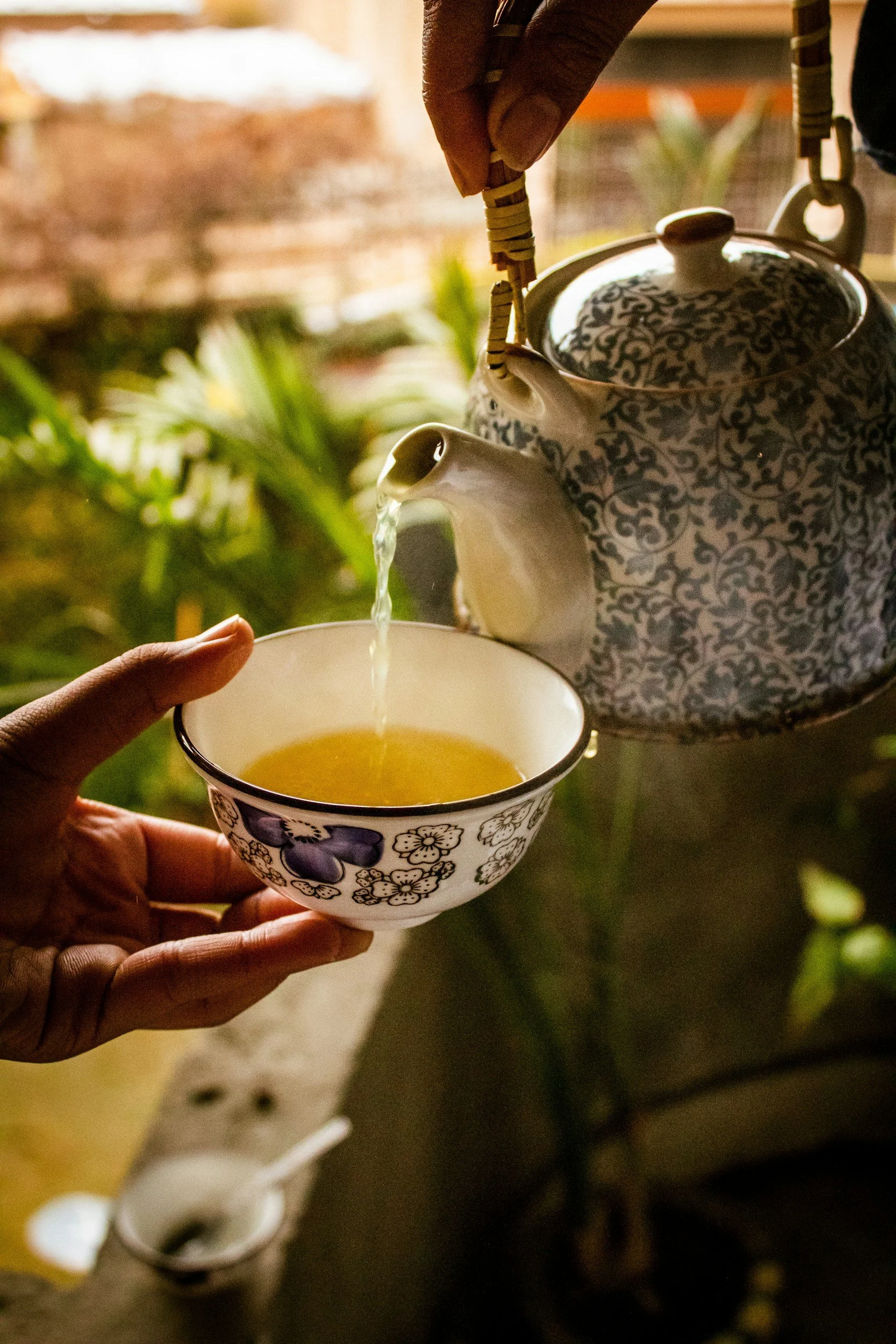
Green tea is cooling, slightly bitter, and a little sweet. In Chinese medicine it clears the head, brightens the eyes and spirit, eases thirst and restlessness, resolves phlegm, and helps digestion.
Reach for green tea when:
You feel hot and thirsty, like on a Texas summer afternoon or during menopausal hot flashes
You're fighting a cold or flu and want something cooling
You feel tired with a foggy head
You're working on weight goals and dealing with bloating
You just ate a heavy meal
Green tea also has antibacterial and antiviral properties, and it's been associated with healthier cholesterol, blood pressure, blood sugar, and circulation.
Black Tea: The Warm Steady One
Black tea is warming. It's known for supporting healthy cholesterol, reducing fatigue, sharpening focus, and supporting strong bones and blood vessels. It's naturally rich in fluoride, which is good news for your teeth and breath.
A fun bonus: black tea has traditionally been used topically for fungal issues, especially on the feet. A cooled black tea foot soak is an old remedy worth knowing.
Oolong Tea: The Metabolism Helper
Oolong is also warming and sits somewhere between green and black. It's especially helpful for digesting fats and supporting metabolism, which makes it a nice choice with or after a richer meal. It's also good for your teeth, can soothe irritated skin, and has traditionally been used to relax the airways and ease asthma symptoms.
White Tea: The Gentle Beauty Tea
White tea is the most delicate of the bunch. It's traditionally used to calm inflammation, support healthy insulin response, and nourish the eyes and skin. It's rich in antioxidants and is often chosen for joint comfort and graceful aging.
Beyond the Tea Plant
Some of our favorite healing cups don't come from Camellia sinensis at all. These are the tisanes we just talked about, and they're some of the most useful herbal medicines you can make in your own kitchen.
Rosebud Tea
Slightly bitter, warm, and sweet, rosebud is all about moving Qi and harmonizing blood. Think of it when stress lands in your belly as bloating or indigestion, when you feel tightness in your chest, or around your cycle with cramps, PMS, or breast tenderness. It's also lovely for low moods, and it's high in vitamin C for your skin.
Mint Tea
Mint is aromatic and cooling in action. It clears the head and eyes, soothes the throat, and moves stuck energy. It's a classic for colds with fever, headache, and sore throat, and it's great for upset stomachs, bad breath, and the emotional ups and downs of stress or PMS.
Ginger Tea
Ginger is warming and pungent. It warms your core, chases out cold, and thins mucus in the lungs. It's wonderful for nausea (including morning sickness), sluggish digestion, cold hands and feet, and the early chills of a cold or flu. It may also ease soreness after a workout, calm inflammation, and support heart health and blood sugar.
Turmeric Tea
Turmeric is pungent, bitter, and cooling. It gets blood moving, eases pain, and supports the gallbladder. It's a strong antioxidant and anti-inflammatory and has been studied for brain, heart, and mood support. One tip: turmeric absorbs best with a little fat, so a splash of coconut milk or a golden milk recipe is a smart move.
Simple Tea Formulas to Try at Home
Here's where it gets fun. Pairing tea with simple kitchen ingredients turns your cup into a little herbal formula:
Any tea + brown sugar for weak digestion or stomach cramping
Green tea + honeysuckle flower for summer heat and thirst
Green tea + dried orange peel to break up congestion, calm a cough, and ease stomach pain
Green tea + honey for a sore throat or tired voice
Black or oolong tea + jujube (Chinese red date) to support digestion and nourish blood
White tea + goji berries for tired eyes, dry skin, or a dry cough
Mint tea + honey to soothe a sore throat and cough
Rose tea + brown sugar for light periods with cramping, stress, and constipation
Chamomile tea + jujube to calm anxiety and stress
One small note: milk may bind some of tea's beneficial compounds, so if you're drinking for health, try it plain or with honey.
Cozy Fall Tea Recipes
In Chinese medicine, fall belongs to the lungs and large intestine, and the season's main challenge is dryness. Think dry skin, scratchy throats, dry coughs, and that first round of seasonal colds. As the weather cools, we also want to gently shift toward warming foods and drinks to protect digestion and keep our Qi strong heading into winter.
These recipes lean warm and moistening. Each one makes about two cups, and you can sweeten to taste with honey.
Pear, Goji and White Tea Moistener
Pear is a classic fall food in Chinese medicine for moistening the lungs and soothing a dry throat. Goji adds gentle nourishment for the eyes and skin.
1 ripe pear (Asian pear if you can find it), sliced
1 tablespoon goji berries
2 teaspoons white tea
2 to 3 cups water
Honey to taste
Simmer the pear and goji in water for 10 to 15 minutes. Turn off the heat, add the white tea, and steep for 3 minutes. Strain, stir in a little honey, and enjoy. The cooked pear is a sweet little snack too.
Ginger, Jujube and Cinnamon Warmer
This one is a hug in a mug for cold hands, chilly mornings, and sluggish digestion. Jujube nourishes blood and calms the spirit, while ginger and cinnamon warm your core.
4 to 5 slices fresh ginger
4 to 6 jujubes (Chinese red dates), split open
1 cinnamon stick
3 cups water
Brown sugar or honey to taste
Simmer everything together for 15 to 20 minutes. Strain and sip. Skip this one if you're running a fever or already feel hot and flushed.
Orange Peel and Black Tea Spice Blend
Dried orange peel is used in Chinese medicine to break up phlegm and settle the stomach. Paired with warming black tea and fall spices, it tastes like the season.
2 teaspoons black tea
1 tablespoon dried orange or tangerine peel
1 small cinnamon stick
3 whole cloves
2 cups hot water
Steep everything for 4 to 5 minutes, then strain. This is lovely after a heavy holiday meal. Since black tea contains caffeine, enjoy it earlier in the day.
Apple Cinnamon Oolong
A sweet, comforting cup that supports digestion of richer fall foods. Oolong helps the body handle fats, and apple and cinnamon bring warmth and sweetness.
1 apple, thinly sliced
1 cinnamon stick
2 teaspoons oolong tea
2 to 3 cups water
Simmer the apple and cinnamon for 10 minutes. Remove from heat, add the oolong, and steep for 3 to 4 minutes. Strain and serve warm.
Golden Turmeric Fall Latte
Turmeric moves blood and calms inflammation, and a little fat helps your body absorb it. This is a great evening drink since it's caffeine free.
1 teaspoon ground turmeric (or a 1 inch piece fresh, grated)
3 slices fresh ginger
1 small cinnamon stick
A pinch of black pepper
1 cup water
1 cup coconut or almond milk
Honey to taste
Simmer the turmeric, ginger, cinnamon, and pepper in water for 10 minutes. Add the milk and warm gently without boiling. Strain, sweeten, and cozy up.
Rose and Brown Sugar Comfort Tea
Fall can stir up grief and heaviness, emotions Chinese medicine connects with the lungs. Rose gently moves stuck Qi and lifts the mood, and brown sugar adds warmth. This is also a sweet cup for crampy cycles.
1 tablespoon dried rosebuds
1 to 2 teaspoons brown sugar
2 cups hot water
Steep the rosebuds for 5 to 7 minutes, strain, and stir in brown sugar.
Mint, Honey and Lemon Throat Soother
For that first scratchy throat of cold season. Mint clears the head and throat, honey moistens, and lemon adds a bright lift.
1 tablespoon dried mint (or a small handful fresh)
2 cups hot water
1 tablespoon honey
A squeeze of lemon
Steep the mint for 5 minutes, strain, and let it cool slightly before stirring in honey and lemon. Sip slowly throughout the day.
Find Your Cup
The beauty of Chinese medicine is that it looks at you as a whole person. The right tea for you depends on whether you tend to run hot or cold, how your digestion feels, how you're sleeping, and what season it is. If you'd like help figuring out what fits your body best, ask us at your next visit. We're always happy to talk tea.
So go ahead, put the kettle on. Your Qi will thank you.
