
A Fall Wellness Reset: Honoring the Season of Letting Go

Fall has a way of asking us to slow down.
The mornings become darker, the air changes, the evenings arrive earlier, and suddenly the pace of summer no longer feels quite right.
You may notice that you want warmer meals, more sleep, quieter evenings, or a little more time at home.
You may also feel more tired, less motivated, more emotional, or more aware of what feels unfinished in your life.
From a Chinese medicine perspective, these changes are not something to push through or fix. They are invitations to adjust.
Autumn is a time when nature begins to release what it no longer needs. Trees let go of their leaves. The garden becomes quieter. The energy that was expanding outward in summer gradually starts moving inward and downward, preparing for the stillness of winter.
We are part of nature, too.
A fall wellness reset does not have to mean a strict cleanse, an unrealistic routine, or a long list of things to do perfectly.
Often, it is much simpler than that: getting a little more rest, eating warm and nourishing meals, breathing more deeply, keeping the body gently moving, drinking enough fluids, and making space for the emotions that arise during transition.
Fall in Chinese Medicine: The Metal Element
In Traditional Chinese Medicine, fall is associated with the Metal element and with the Lung and Large Intestine systems.
This is a traditional energetic framework. It can offer a meaningful way to understand why certain parts of the body and spirit may ask for more care during this time of year.
The Metal element is connected with:
The lungs and the breath
The large intestine and the process of elimination
The skin and our relationship with the outside environment
Dryness, which is a common quality of fall
Boundaries, discernment, and clarity
Grief, sadness, and the emotional process of letting go
Simplifying, clearing out, and making room for what matters
Fall is not only a season of cozy sweaters and pumpkin recipes. It can also be a deeply reflective season.
It may bring up grief for what has changed, sadness around what did not happen, or a desire to clear away physical, emotional, and energetic clutter. Sometimes this looks obvious: cleaning out closets, reorganizing your home, or feeling called to simplify your schedule. Other times, it is more subtle: noticing that certain habits, relationships, expectations, or ways of coping no longer fit who you are becoming.
In Chinese medicine, grief is not viewed as a “bad” emotion.
It is part of being human. The goal is not to avoid sadness or force yourself to feel positive.
The goal is to allow emotions to move, to breathe through them, and to notice when they become too heavy to carry alone.
Fall reminds us that letting go can be both tender and necessary.
Why Fall Can Affect Sleep, Energy, and Mood
As daylight decreases, many people notice changes in energy, appetite, sleep, motivation, and mood. This makes sense both from a modern circadian-rhythm perspective and from a Chinese medicine perspective.
Your body responds to light, temperature, movement, food, stress, and routine. Shorter days can make it easier to wake in darkness, spend less time outdoors, move less, rely more heavily on caffeine, and stay up later with screens or busy evening schedules.
From a Chinese medicine perspective, fall is not the season for forcing summer-level output from yourself. It is a time to begin conserving energy.
That does not mean you need to stop being active, productive, social, or engaged in life. It simply means you may benefit from being a little more intentional about where your energy goes.
You might ask yourself:
What am I spending energy on that no longer feels necessary?
Where am I overextending myself?
What would feel supportive rather than draining right now?
What do I need to release before winter arrives?
What helps me feel rooted, nourished, and clear?
These questions can be just as important as choosing the right breakfast or getting to bed earlier.

Create More Rhythm With Light and Rest
In Chinese medicine, health is closely connected to living in harmony with natural rhythms. We are not meant to have the same pace, appetite, activity level, or needs in every season.
Summer invites more outward movement, activity, warmth, and social connection. Fall begins the transition inward.
One of the simplest ways to support this transition is to pay attention to light.
Morning light helps signal to the body that it is time to be awake and alert. Evening darkness helps prepare the nervous system for rest. As days become shorter, being intentional about these cues can make a meaningful difference.
If you wake up before sunrise
Many people wake well before daylight in fall and winter.
When you first wake up:
Turn on soft indoor lights rather than sitting in darkness with your phone.
Drink a glass of water or warm herbal tea.
Get dressed and begin your morning routine.
Eat breakfast if that supports your body and schedule.
Do a few minutes of gentle movement or stretching.
Take a few slow breaths before jumping into work, news, messages, or responsibilities.
Once daylight is available:
Step outside for 5 to 15 minutes when possible.
Drink your coffee or tea outdoors.
Take a short walk around the block.
Stand outside while children get ready for school.
Roll down windows or open sunroof on the way to work or school.
Use school drop-off, a work break, or lunch as an opportunity to get natural light.
If you work indoors, consider taking even a brief daylight walk between tasks.
Consistency matters more than perfection. You do not need an elaborate sunrise ritual. A few minutes of outdoor light and fresh air can help your body recognize that the day has begun.
Let the evening become quieter
Fall is a beautiful time to create a softer evening rhythm.
As the sun sets, consider letting your home reflect the season. Turn off harsh overhead lights. Use lamps, candles used safely, soft music, warm tea, a shower, gentle stretching, journaling, or a few quiet moments before bed.
You do not need to create a perfect nighttime routine. Even one small shift can help signal to the body that the day is winding down.
Try choosing one or two:
Dim bright lights in the hour before bed.
Put your phone away 20 to 30 minutes earlier.
Drink a calming tea such as chamomile, lemon balm, or tulsi.
Take a warm shower or bath.
Read something calming instead of scrolling.
Write down tomorrow’s tasks so they are not circling in your mind.
Place one hand on your chest and one on your lower abdomen, then take five slow breaths.
Go to bed a little earlier than you did during summer.
In Chinese medicine, rest is not laziness. Rest is part of rebuilding.
Nourish the Spleen & Stomach With Warm Foods
Fall is often a wonderful time to move away from cold smoothies, rushed snacks, and meals eaten on the go and toward warmer, simpler, more grounding foods.
In Chinese medicine, the Spleen and Stomach systems are associated with digestion, transformation, nourishment, and the ability to create usable energy from food. When digestion is supported, we often feel more steady, clear, grounded, and resilient.
This does not mean every meal has to be hot, perfect, or homemade. It simply means that during cooler months, many people feel better with more cooked foods and regular meals.
Think soups, stews, roasted vegetables, baked squash, warm oatmeal, rice bowls, beans, lentils, eggs, slow-cooked meats, sautéed greens, broths, and herbal teas.
A simple fall meal formula is:
Protein + cooked vegetables or fruit + satisfying carbohydrate + healthy fatExamples include:
Eggs with sautéed greens, roasted sweet potatoes, and avocado
Warm oatmeal with cinnamon, walnuts, berries, and Greek yogurt or eggs on the side
Chicken, beans, or lentils with rice, roasted squash, and greens
Chili with beans, vegetables, ground meat or lentils, avocado, and herbs
Salmon with potatoes, broccoli, olive oil, and lemon
Lentil soup with vegetables and a side of gluten-free toast or rice
Turkey, chicken, or white beans in a nourishing vegetable soup
Baked apples or pears with cinnamon, nuts, and a little yogurt or coconut yogurt
Fall is also a season to make food easier.
A pot of soup, a tray of roasted vegetables, cooked rice, hard-boiled eggs, shredded chicken, or a batch of beans can become several meals. The goal is not gourmet cooking every day. The goal is having nourishing food available when life gets busy.
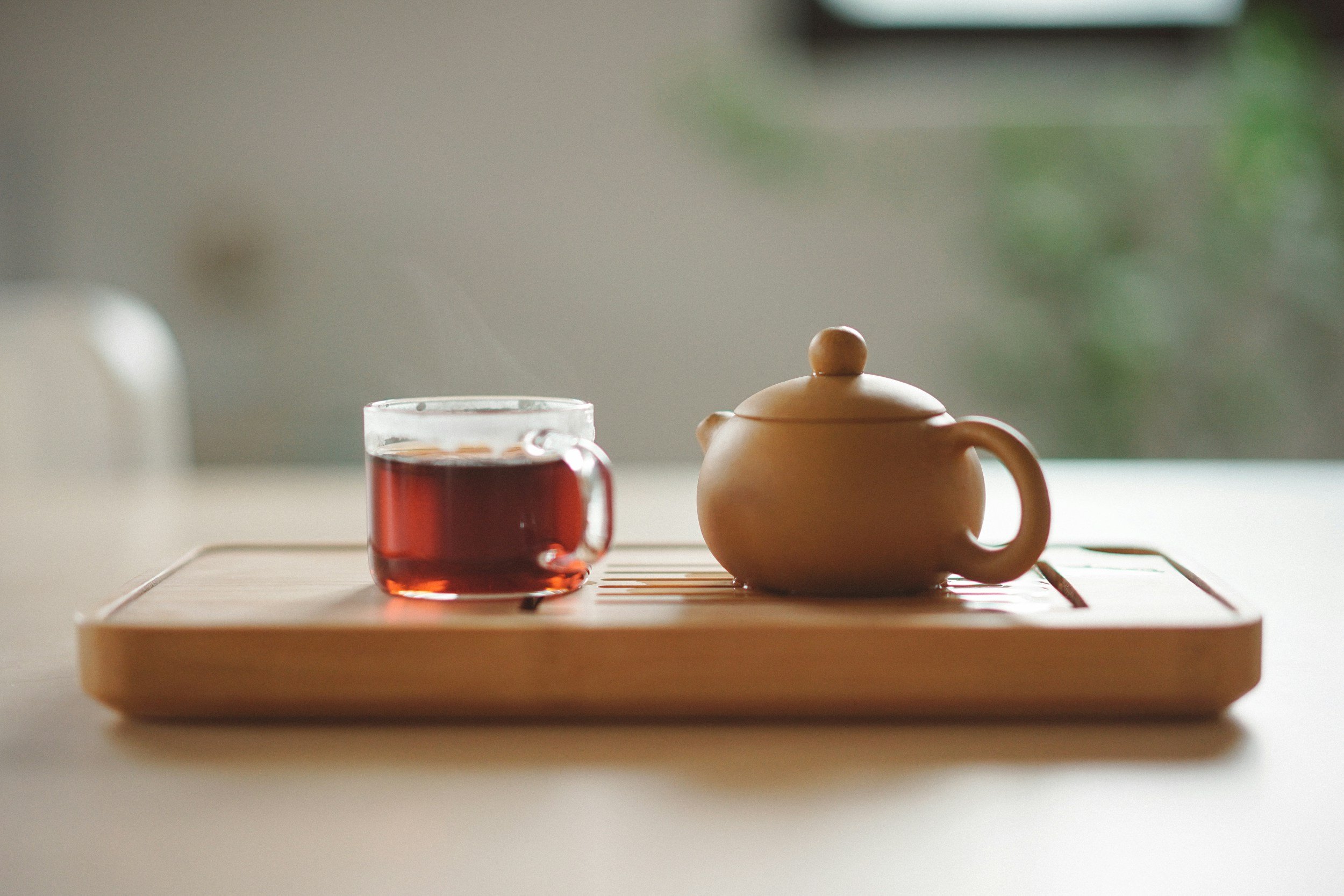
Support Dryness, Hydration, and Fluid Balance
Dryness is one of the primary seasonal qualities associated with fall in Chinese medicine.
You may notice dry skin, dry lips, dry nasal passages, dry coughs, constipation, thirst, or simply a feeling that your body needs more moisture. Indoor heating, caffeine, alcohol, busy schedules, travel, and cooler weather can all make it easier to forget to drink enough fluids.
From a Chinese medicine perspective, fall is a season to protect fluids and add gentle moisture through food, beverages, rest, and breath.
The most supportive practices are often very basic:
Drink water regularly throughout the day.
Enjoy warm herbal tea, broths, soups, and stews.
Include cooked fruits such as pears, apples, and berries.
Add healthy fats such as olive oil, avocado, and fatty fish.
Eat fiber-rich foods that support comfortable elimination.
Take breaks from long stretches of sitting.
Move your body daily in ways that feel sustainable.
Pay attention to constipation, swelling, persistent dryness, or changes in urination that may need individualized support.
In Chinese medicine, the Large Intestine is connected with elimination not only physically, but symbolically.
Fall can be a helpful time to support regular digestion and also to consider what you are ready to release from your life.
That might be clutter. It might be a packed schedule. It might be the pressure to do everything perfectly. It might be an old story about yourself that is no longer true.
A Five-Minute Fall Morning Practice
This five-minute practice is a simple way to begin the day with breath, movement, and intention. It is not a medical treatment, but it can be a gentle way to support circulation, mobility, grounding, and a calmer nervous system.
Minute 1: Breathe into the lungs
Stand, sit, or lie down comfortably.
Place one hand on your chest and one hand on your lower abdomen. Inhale slowly through your nose, allowing your lower ribs and belly to expand. Exhale gently and completely.
Repeat for 5 to 8 slow breaths.
As you breathe, imagine making space in the chest. You might silently ask:
What am I ready to receive today?
What am I ready to release?
In Chinese medicine, the lungs are associated with breath, grief, and our relationship with inspiration. A few intentional breaths can be a simple way to return to yourself before the day begins.
Minute 2: Open the chest and shoulders
Roll your shoulders up, back, and down 8 to 10 times.
Then gently stretch your arms behind you or clasp your hands loosely behind your back if that feels comfortable. Lift the chest slightly without forcing the low back.
This can feel especially helpful after sleep, long hours at a computer, driving, caregiving, or holding tension in the upper body.
Minute 3: Sweep the arms
Inhale as you slowly lift your arms overhead.
Exhale as you lower them down.
Repeat 5 to 8 times.
Imagine gathering fresh energy in as the arms rise and releasing tension as they lower. Keep the movement soft and easy.
Minute 4: Calf raises
Hold onto a stable counter, chair, or wall.
Slowly lift your heels, rise onto the balls of your feet, and lower down with control. Repeat 15 to 20 times.
This gentle movement helps wake up the legs after sleep and supports circulation after long periods of sitting.
Minute 5: March or walk
March in place for one minute, or walk through your home.
If you have time, step outside afterward for a few minutes of daylight and fresh air. This is a lovely moment to drink tea on the porch, walk the dog, stand in the yard, or take a short walk before beginning work.
You do not need a complicated wellness plan. Five minutes of intentional care can be enough to shift how your day begins.

The Emotional Work of Fall
Fall can bring up emotions that feel quieter than summer emotions.
Summer tends to be expansive, social, outward, and bright. Fall is often more reflective. It may bring up longing, nostalgia, grief, loneliness, disappointment, or a feeling that time is moving quickly.
If you feel more emotional in the fall, it does not necessarily mean something is wrong.
It may mean you are noticing what has changed.
The Metal element teaches us that grief and release are part of life. The leaves do not apologize for falling. The trees do not cling to what they cannot carry into winter.
There can be wisdom in allowing yourself to release, too.
You might try a simple fall reflection practice:
What feels complete?
What am I still carrying that feels heavy?
What expectations am I ready to soften?
What do I want to protect as the year winds down?
What would make my home, body, and schedule feel more spacious?
What am I grateful for, even if this season is not easy?
This is not about forcing a positive mindset. It is about making room for honesty.
If grief, anxiety, depression, sleep disruption, or overwhelm feel persistent or difficult to manage, reaching out for professional support can be an important and caring next step. Emotional wellness deserves the same attention we give to digestion, pain, fatigue, or sleep.
Gentle Herbal Support for Fall
Herbs can be a beautiful part of fall care, especially when used simply and thoughtfully. Teas, broths, culinary herbs, and warming spices can bring comfort while supporting hydration, digestion, and seasonal routines.
If you are pregnant, breastfeeding, taking prescription medications, managing a chronic condition, or preparing for surgery, check with a qualified healthcare professional before using medicinal herbs or herbal formulas.
Ginger
Fresh ginger is warming and easy to use in tea, soups, broths, stir-fries, and roasted vegetable dishes.
Try simmering fresh ginger slices in water for 10 to 15 minutes. Add lemon, cinnamon, honey, or a few slices of pear if desired.
Fennel
Fennel seed is often enjoyed after meals when there is occasional gas, bloating, or fullness.
Lightly crush ½ to 1 teaspoon of fennel seed and steep in hot water for about 10 minutes.
Chamomile
Chamomile is a gentle evening tea for winding down, occasional digestive tension, and stress-related restlessness.
Try pairing it with a screen-free evening routine, warm socks, and a few slow breaths before bed.
Lemon balm
Lemon balm can be a lovely choice when the nervous system and digestion both feel a little unsettled. It may be especially supportive during stressful seasons, irregular routines, or periods when it feels hard to fully relax.
Pear and honey tea
In Chinese food therapy, pears are often associated with supporting moisture during dry seasons.
Try gently simmering sliced pear with fresh ginger, cinnamon, and water. Add a small amount of honey after it cools slightly, if desired. This makes a comforting fall drink or a simple cooked-fruit dessert.
Your Fall Wellness Checklist
Choose a few practices that feel realistic for your actual life right now.
Wake at a consistent time most days.
Turn on soft indoor lights if you wake before sunrise.
Get outside for daylight when you can.
Drink water or warm tea before your first coffee.
Begin the day with five minutes of breathing and gentle movement.
Eat regular meals with protein, cooked produce, satisfying carbohydrates, and healthy fats.
Make warm meals easy with soups, roasted vegetables, sheet-pan meals, rice bowls, and slow-cooker recipes.
Include moistening foods such as soups, broths, cooked pears, apples, healthy fats, and warm tea.
Take short walks after meals or during a daylight break.
Reduce bright lights, screens, and stimulation in the evening.
Make room for rest without feeling guilty about it.
Notice what you are ready to release, simplify, or soften.
Seek individualized care for persistent sleep concerns, digestive symptoms, respiratory changes, swelling, pain, mood changes, or fatigue.
A Gentle Reminder
You do not have to enter fall with a perfectly organized pantry, a flawless bedtime routine, or a complete seasonal wellness plan.
Start with one small thing.
Maybe it is drinking warm tea in the morning. Maybe it is taking a short walk outside after sunrise. Maybe it is making soup instead of skipping lunch. Maybe it is saying no to one extra obligation. Maybe it is allowing yourself to feel what you feel without immediately trying to solve it.
Fall asks us to become more honest about what we need.
It reminds us that rest is productive, simplicity is nourishing, and letting go can create space for what comes next.
Clinic Call to Action
If the change of season is affecting your sleep, energy, digestion, stress, mood, pain, respiratory health, or sense of resilience, individualized support can help.
Our clinic offers acupuncture, Chinese herbal medicine, nutrition and lifestyle guidance, and wellness care tailored to your unique symptoms, health history, and goals.
Together, we can create a seasonal plan that supports your body through fall and helps you move into winter feeling more grounded, nourished, and restored.
